

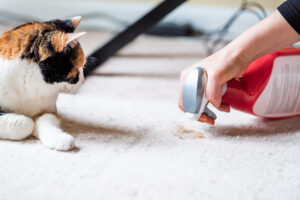
Odors left behind by pets can hang around in rental properties after the tenants who owned them move out. Attracting new tenants can be difficult when these odors are present, particularly tenants who are sensitive to smells or who don’t have pets. If a tenant lived in the property for a long time or left a significant pet-related mess, getting rid of pet odors can be especially difficult. These general tips will help you restore your rental property and remove pet odors effectively.
The Quick Science Behind Pet Odors
Pet odors are a frequent problem in rentals that permit pets. The bacteria found in pet urine or feces break down volatile organic compounds (VOCs), and those compounds cause these odors. Clean carpets, upholstery, and hard surfaces on a regular basis to help keep these odors under control. Breaking down odor-causing substances is something enzymatic cleaners do particularly well. Help prevent persistent odors by clearly communicating expectations to tenants and cleaning regularly.
Methods for Removing Pet Odors from Your Rental Property
Cleaning products used on carpets, upholstery, and hard surfaces should be safe for people and pets. Regular cleaning and maintenance are essential to prevent pet odors from becoming a persistent issue.
- Enzymatic cleaners remove pet odors effectively since their enzymes break down odor-causing bacteria. They can be used on hard surfaces, upholstery, and carpets, and they may also help lift stains left by pet urine or feces. Although enzymatic cleaners can cost more than some other products, their effectiveness often makes them a worthwhile investment.
- Common household products such as baking soda and vinegar can help get rid of pet odors. Because baking soda naturally absorbs odors, you can sprinkle it on carpets and upholstery, let it sit for several hours, and vacuum it up afterward. A water-and-vinegar spray makes a natural disinfectant for hard surfaces and helps neutralize odors.
- Activated charcoal is one more natural option for absorbing odors and removing persistent smells. Leave bowls of it around the property to help absorb odors, placing them with care to prevent spills or messes during cleanup.
- Air purifiers are effective at removing pet odors because they filter out allergens and pet dander. Still, regular maintenance is required, and the initial investment may be higher.
Keeping Your Rental Property Odor-Free
Preventing pet odors from developing in the first place is the way to keep rental properties odor-free. Routine cleaning and maintenance can prevent pet odors from becoming a problem. To stop pet odors before they start, think about the following:
- Establish clear guidelines for pet tenants. Make sure tenants understand that they are responsible for keeping the property clean and odor-free. Encourage the use of odor-control products and regular cleanup after pets, indoors and outdoors alike.
- Regular cleaning and maintenance: Pet odors are less likely to become an issue with routine cleaning and maintenance. Regularly clean hard surfaces, carpets, and upholstery to prevent pet odor buildup, using cleaning supplies that are safe for people and pets.
- Air purification: Place air purifiers in shared areas or across the whole rental property to cut down on pet odors and filter allergens such as pet dander.
- Restrict pet numbers and sizes: Put reasonable limits on the number and size of pets permitted in your rental properties to lower the risk of odors and property damage.
Tenants’ health and a rental property’s appeal can both be harmed by pet odors. Property owners and managers should rely on effective odor removal strategies, from air purifiers and baking soda to vinegar, enzymatic cleaners, and activated charcoal. Preventative measures, including clear guidelines for pet tenants, regular cleaning, and reasonable pet restrictions, help rental properties stay fresh and attractive to all tenants.
If you need additional support with property management or maintaining rental properties, contact our team at Real Property Management Lakeview today.
Originally Published on February 9, 2024
This content is provided for general informational and educational purposes only and does not constitute financial, legal, tax, or investment advice. Readers should consult with licensed professionals regarding their specific circumstances.
We are pledged to the letter and spirit of U.S. policy for the achievement of equal housing opportunity throughout the Nation. See Equal Housing Opportunity Statement for more information.
