

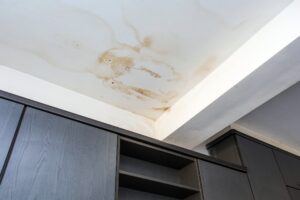
 Moisture damage in rental properties often doesn’t begin with dramatic events like floods or burst pipes. Instead, it progresses gradually through everyday humidity, small leaks, and poor airflow. With constant exposure, significant issues can arise, including mold growth, wood rot, and deteriorating indoor air quality. For those who own rental properties, grasping the potential damage that everyday moisture can cause is crucial for protecting your property’s value and avoiding costly repairs.
Understanding Moisture Damage: The Hidden Threat to Rental Property Value
When individuals consider property damage, they frequently envision dramatic events such as fires, floods, or storms. However, there are other things that can cause just as much damage without all the drama. One of these is moisture damage. It’s understated, continuous, and easy to overlook, particularly in rental properties where the early signs are often missed.
Everyday tasks such as showering, cooking, doing laundry, and even the simple act of breathing release moisture into the air. Without proper ventilation and upkeep, that moisture can seep into walls, flooring, and structural components, silently weakening the property and leading to significant damage as time goes on.
And that’s the most deceptive aspect of it. Moisture damage seldom remains minor. What begins as a bit of condensation or a minor drip can ultimately lead to widespread issues that impact both the property’s habitability and its overall worth.
Common Causes of Moisture Damage in Rental Properties
Some of the most common sources of moisture damage in a rental property often stem from everyday activities or slowly developing plumbing issues. For instance:
- High Indoor Humidity: Homeowners create indoor moisture on a daily basis. Bathrooms lacking effective exhaust systems, kitchens with poor ventilation, and laundry spaces that trap steam all lead to elevated humidity levels.
- Small Leaks: Dripping pipes, slow roof leaks, and poorly sealed windows can persist for months before anyone becomes aware. These minor leaks frequently remain concealed within walls, ceilings, or cabinets, causing damage well before any visible indicators emerge.
- Poor Ventilation and Airflow: When airflow is insufficient, moisture can become confined. Bathrooms, basements, attics, and closets tend to be mainly susceptible. Poor ventilation often plays a significant role in causing long-term moisture damage in rentals.
- Seasonal Weather and Climate: Rain, snow, and humid conditions all increase moisture exposure. Properties in humid or harsh climates encounter increased risks without regular maintenance and inspections.
Long-Term Effects of Moisture Damage on Rental Properties
When not addressed, even small amounts of moisture can lead to significant problems. These consist of:
- Mold and Mildew Growth: Moist environments generate ideal conditions for mold. Apart from the cost of remediation, mold issues can result in resident complaints and potential legal concerns.
- Poor Air Quality: Humid indoor air can lead to the emergence and exacerbation of health issues over time. This may lead to increased liability because of the property’s declining habitability.
- Wood Rot and Structural Weakening: Moisture slowly breaks down wood framing, trim, and subfloors. Structural damage frequently remains hidden until it reaches a point where repairs are essential.
- Cosmetic damage: Peeling paint, warped floors, and deteriorating finishes are often the first visible signs of deeper moisture problems. These concerns can impact tenant satisfaction and rental appeal.
Perhaps most crucial of all, since moisture damage accumulates over time, repairs are often more extensive (and pricier!) by the time the issue becomes apparent. This makes proactive property inspections and prevention a top priority for rental property owners.
Proven Moisture Prevention Strategies for Landlords
The positive aspect is that prevention can be highly effective in avoiding moisture-related property damage. Effective prevention begins with routine property inspections. From noticing condensation patterns to examining ventilation systems, evaluations help stop damage before it escalates.
Here are some effective strategies for landlords to prevent humidity:
- Guaranteeing proper ventilation in restrooms and cooking areas
- Addressing leaks regardless of their size
- Keeping a close eye on critical zones during inspections
- Keeping roofs, windows, and exterior seals in good condition
Taking these preventative steps is much more economical than dealing with moisture-related repairs, and they help ensure that your residents remain healthy and comfortable in their residences.
Protect Your Rental Property Investment from Moisture Damage
Moisture might not make a lot of noise, but its effects on rental properties can be catastrophic. From structural damage to health concerns, moisture-related issues are among the most costly challenges that property owners encounter. However, with proactive inspections and intelligent moisture control methods, it is also among the easiest to avert.
If you’re worried about hidden moisture issues in your rental property, reach out to Real Property Management Lakeview today! Our proactive inspection and maintenance services assist rental property owners in Denton in identifying issues early, preventing moisture damage, and safeguarding property values over time. Contact us online or call 940-323-0505 for more details.
This content is provided for general informational and educational purposes only and does not constitute financial, legal, tax, or investment advice. Readers should consult with licensed professionals regarding their specific circumstances.
We are pledged to the letter and spirit of U.S. policy for the achievement of equal housing opportunity throughout the Nation. See Equal Housing Opportunity Statement for more information.
